

By Marc Silver | Philly’s Top Real Estate Agent
Spend a day walking through Philadelphia, and you’ll quickly understand why rowhomes have become one of the city’s defining features.
From the colorful brick homes in Fishtown to the historic streets of Society Hill and the beautifully renovated properties throughout Northern Liberties, Philadelphia’s rowhomes tell the story of a city that has evolved over centuries while preserving the character that makes it so unique.
For many buyers, owning a rowhome isn’t simply about purchasing a house. It’s about becoming part of a neighborhood with history, personality, and a sense of place that’s difficult to find elsewhere.
Whether you’re buying your first home, relocating to Philadelphia, or simply trying to understand the city’s architecture, here’s what you should know before beginning your search.
Why Philadelphia Is Known for Rowhomes
Philadelphia has more rowhomes than almost any other city in the United States, and they’ve been part of the city’s landscape for generations.
Originally built to accommodate a growing population, rowhomes made efficient use of limited space while creating walkable neighborhoods where everything residents needed was close by. Today, those same neighborhoods remain some of the city’s most desirable places to live.
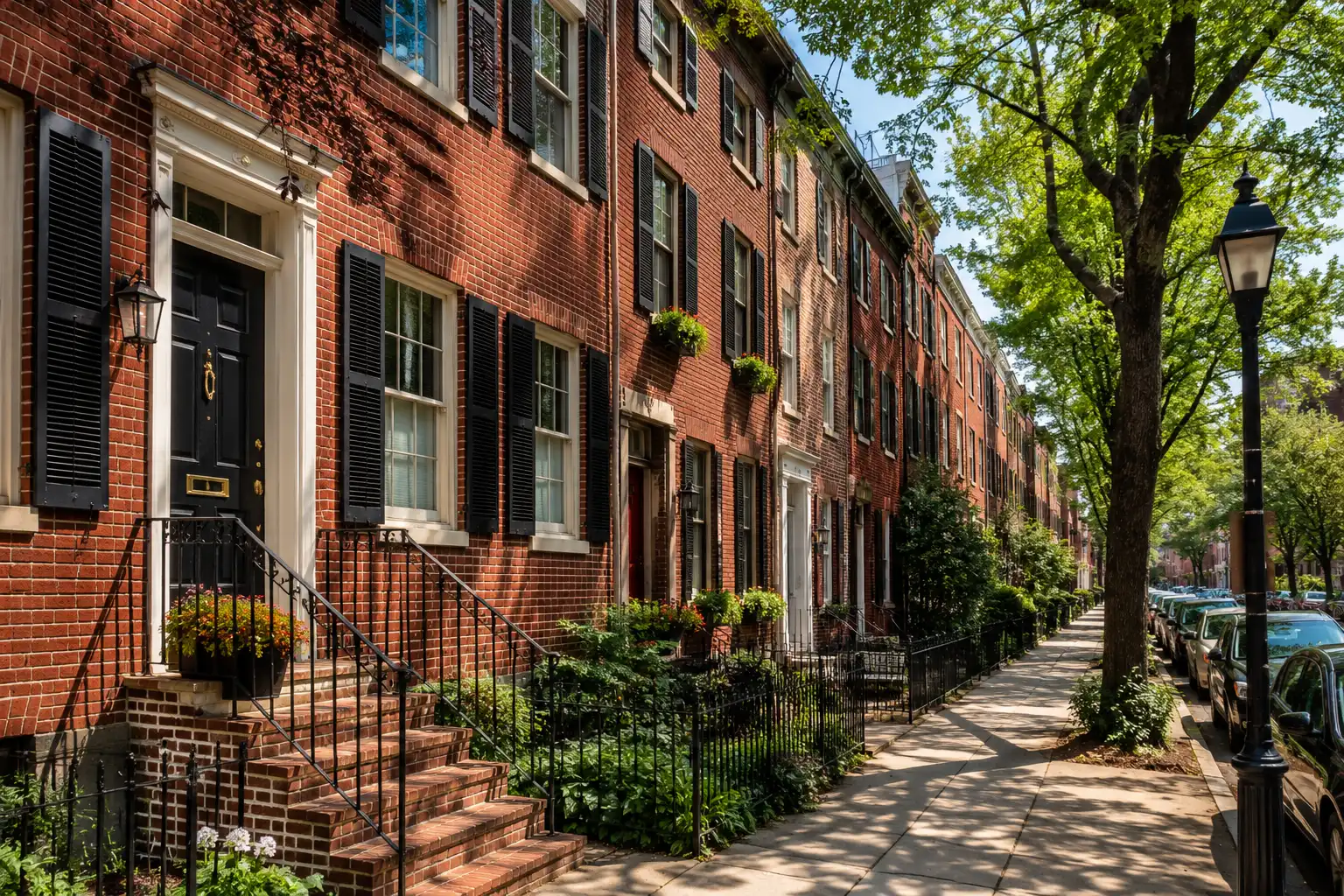
Walk down almost any residential street and you’ll notice that while the homes share walls, they rarely feel identical. Different architectural details, renovations, brickwork, colors, and front entries give each home its own personality while contributing to the character of the entire block.
That’s part of what makes Philadelphia feel authentic.
The Different Styles of Philadelphia Rowhomes
One of the things buyers often find surprising is just how much variety exists within Philadelphia’s rowhomes.
Federal-Style Rowhomes
Found throughout neighborhoods like Society Hill and Old City, Federal-style homes are known for their symmetrical facades, classic brick construction, elegant proportions, and timeless architectural details. Many date back more than a century and reflect Philadelphia’s early history.
Victorian Rowhomes
Victorian homes often feature decorative brickwork, bay windows, ornate trim, colorful facades, and more intricate architectural details. Buyers looking for homes with historic character and distinctive curb appeal are often drawn to this style.
Trinity Homes
Unique to Philadelphia, Trinity homes are compact residences built vertically over three floors, with one room per level connected by a central staircase. While smaller than traditional rowhomes, they’re full of charm and remain popular with buyers looking for a distinctive piece of Philadelphia history.
Modern Infill Homes
Not every rowhome is historic.
Throughout neighborhoods like Fishtown, Northern Liberties, East Kensington, and Graduate Hospital, thoughtfully designed modern townhomes have been built alongside historic properties. These homes often feature open floor plans, rooftop decks, oversized windows, attached garages, and energy-efficient construction while still respecting the scale and character of the surrounding neighborhood.
Historic Charm Meets Modern Living
One of the biggest misconceptions about buying an older home is that you’ll have to sacrifice modern conveniences.
In reality, some of Philadelphia’s most desirable homes successfully combine historic architecture with contemporary living.
It’s common to find original hardwood floors alongside chef’s kitchens, exposed brick paired with sleek cabinetry, restored staircases leading to renovated bathrooms, and rooftop decks offering skyline views above century-old brick walls.
The best renovations don’t erase a home’s history. They preserve the craftsmanship that gives it character while making the space functional for today’s homeowners.
That’s one of the reasons renovated Philadelphia rowhomes continue to attract buyers from both inside and outside the city.
What Buyers Love About Rowhomes
Every buyer has different priorities, but there are a few qualities that consistently make rowhomes stand out.
Many buyers appreciate the craftsmanship that’s difficult to replicate in newer construction. Original brick walls, detailed woodwork, decorative moldings, marble steps, oversized windows, and unique floor plans give these homes personality that feels authentic rather than manufactured.
Location also plays a major role. Many of Philadelphia’s rowhomes are located in highly walkable neighborhoods where coffee shops, restaurants, parks, grocery stores, and local businesses are just a short walk away.
For many homeowners, that lifestyle becomes just as valuable as the home itself.
What to Inspect Before Buying an Older Rowhome
Historic homes offer incredible charm, but they also deserve a closer look during the buying process.
A thorough home inspection is essential, and there are several areas buyers should pay particular attention to.
Masonry and Brickwork
Philadelphia’s brick homes are built to last, but mortar naturally wears over time. Repointing may be necessary to preserve the structural integrity of the exterior and prevent moisture intrusion.
Roofing
Many rowhomes have flat or low-slope roofs. Understanding the roof’s age, drainage system, and maintenance history can help avoid unexpected repairs after closing.
Plumbing and Electrical Systems
Many older homes have been updated over the years, but it’s important to confirm when major systems were modernized and whether additional improvements may be needed.
Foundations and Basements
It’s not uncommon for older Philadelphia homes to show signs of moisture in basements. A qualified home inspector can help determine whether what you’re seeing is typical aging or something that requires further attention.
Shared Walls
Rowhomes share party walls with neighboring properties. During inspections, it’s helpful to understand their condition, sound transmission, and any previous repairs that may have been completed.
None of these items should necessarily discourage you from purchasing a historic home. They simply reinforce why understanding the property’s condition is an important part of making an informed decision.
Which Philadelphia Neighborhood Is Right for You?
One of my favorite parts of helping buyers is introducing them to neighborhoods that match their lifestyle.
Fishtown blends beautifully restored rowhomes with modern infill construction, creating a neighborhood that feels both historic and contemporary.
Northern Liberties offers a mix of warehouse conversions, luxury townhomes, modern condominiums, and renovated historic properties.
Society Hill showcases some of Philadelphia’s most iconic colonial architecture, while Queen Village, Bella Vista, Graduate Hospital, and Fairmount each offer their own unique blend of history and modern living.
Choosing the right neighborhood often matters just as much as choosing the right home.
Local Knowledge Makes the Difference
After more than 25 years living in Philadelphia, I’ve learned that buying a rowhome is about far more than comparing square footage or finishes.
Every neighborhood has its own personality. Every block has its own rhythm. Even homes built in the same era can offer very different ownership experiences depending on how they’ve been maintained and updated.
Helping buyers understand those differences is one of the most rewarding parts of my job. My goal isn’t simply to help you find a house. It’s to help you find a home—and a neighborhood—that fits the way you want to live.
Looking for the Perfect Philadelphia Rowhome?
Whether you’re dreaming of a beautifully restored historic home, a modern townhome with rooftop views, or a classic brick rowhome full of original character, Philadelphia offers something for every buyer.
The key is finding the right combination of architecture, neighborhood, and lifestyle.
If you’re thinking about buying or selling a home in Philadelphia, I’d love to help. Connect with Marc Silver of Silvertone Homes for expert local guidance, neighborhood insight, and a personalized approach to finding your perfect place in the city.