

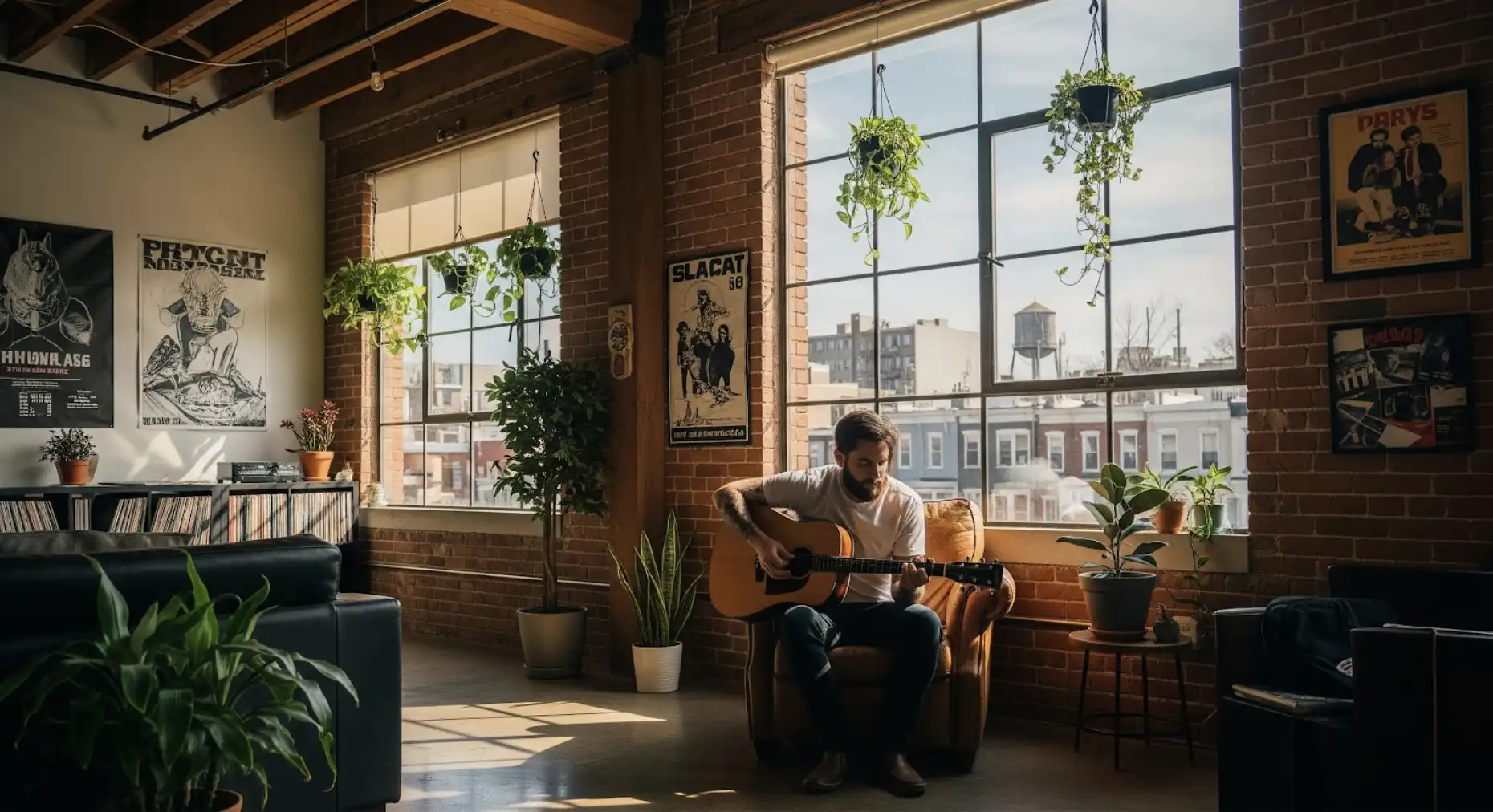
For decades, artists and musicians have been the vanguard of urban transformation, moving into overlooked neighborhoods and transforming them into vibrant cultural hubs. Nowhere is this phenomenon more evident than in Fishtown, Philadelphia, where the creative community has fundamentally reshaped both the cultural landscape and the real estate market. As both a professional real estate agent and an active musician who’s lived in Fishtown for over 20 years, Marc Silver offers a unique perspective on how Fishtown’s artistic soul continues to drive its evolution.
The Artist’s Journey to Fishtown: From Affordable Studios to Cultural Capital
The Early Days: Industrial Spaces Become Creative Havens
In the early 2000s, Fishtown’s landscape of shuttered factories and vacant warehouses presented an opportunity for artists priced out of more established neighborhoods. The area’s industrial architecture—high ceilings, abundant natural light, and raw open spaces—proved ideal for conversion into artist studios, rehearsal spaces, and galleries.
This migration wasn’t accidental. Artists sought affordable rent, space to create, and proximity to Center City Philadelphia without the premium prices of neighborhoods like Old City or Society Hill. What they found in Fishtown was something rare: a neighborhood that welcomed their presence and gradually transformed alongside them.
The Crane Arts building exemplifies this transformation. Once a plumbing supply warehouse, it now houses over 100 artist studios, galleries, and creative businesses across three buildings. This adaptive reuse of industrial architecture became a blueprint for Fishtown’s development, preserving the neighborhood’s character while creating new economic opportunities.
Music Venues and the Sound of Fishtown
From Dive Bars to Destination Venues
Fishtown’s music scene has been instrumental in establishing the neighborhood’s identity. Johnny Brenda’s, which opened in 2004, became one of the city’s premier independent music venues, hosting both emerging local acts and nationally touring artists. Its success demonstrated that Fishtown could support quality entertainment that drew audiences from across the region.
The venue landscape expanded significantly over the years. The Fillmore Philadelphia brought major touring acts to the neighborhood, while smaller venues like Boot & Saddle and The Foundry created a diverse ecosystem where musicians at every career stage could perform.
This concentration of music venues created a ripple effect throughout the neighborhood. Restaurants and bars opened to serve concertgoers. Recording studios found homes in converted industrial spaces. Music equipment shops and vintage instrument stores followed the musicians. Each addition strengthened Fishtown’s reputation as Philadelphia’s music neighborhood.
For working musicians like Marc Silver, Fishtown’s venues provide not just performance opportunities but also community. The neighborhood understands the irregular schedules, late-night rehearsals, and creative needs that come with a musical lifestyle—considerations that influence real estate decisions for artist buyers.
The Creative Economy’s Real Estate Impact
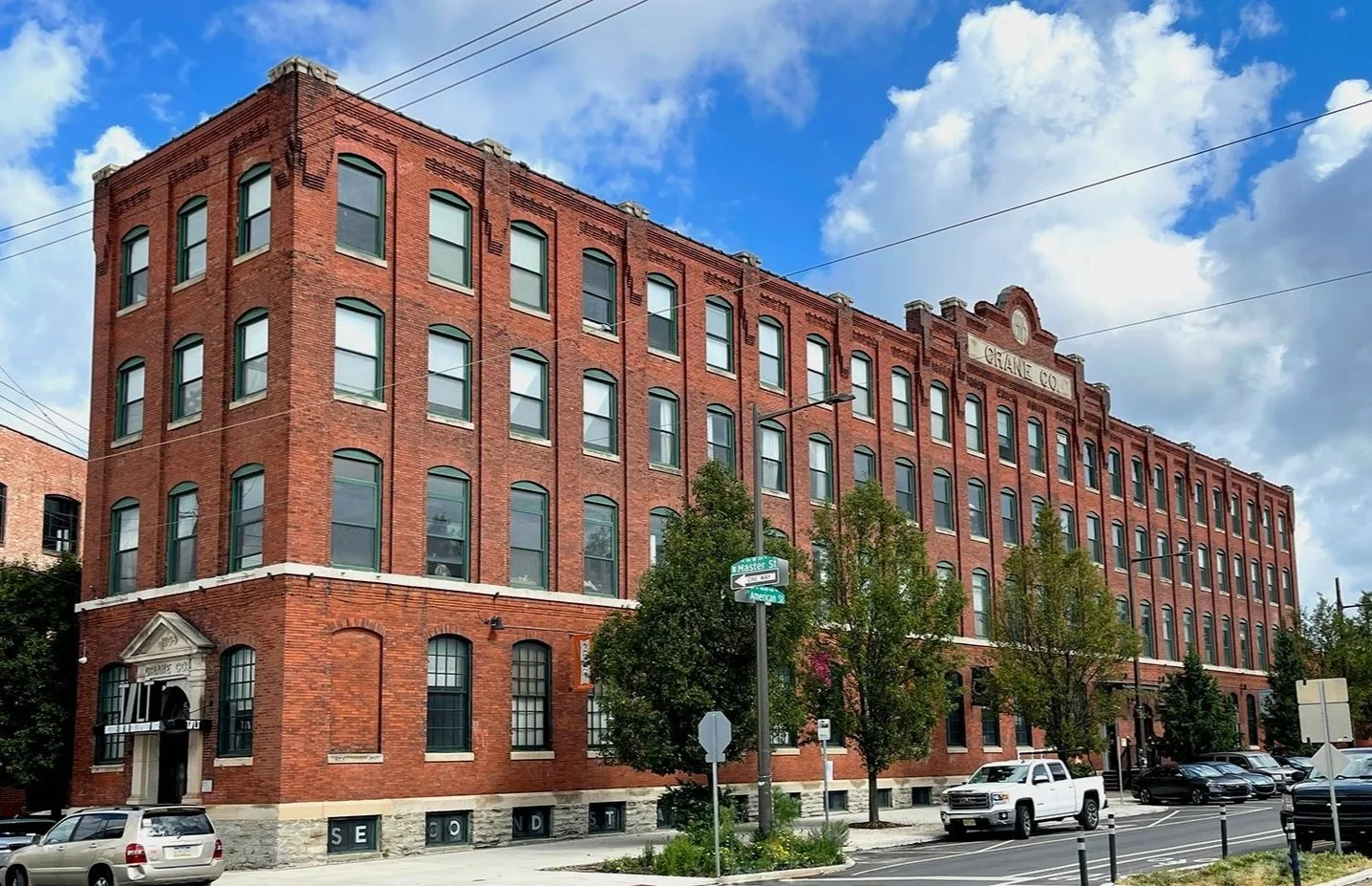
Image source: Crane Arts
How Art Spaces Changed Property Values
The relationship between Fishtown’s creative community and its real estate market is complex and multifaceted. Initially, artists moved to Fishtown precisely because property values were low. Their presence, however, initiated a transformation that would eventually increase those same values significantly.
The Creative Premium Effect: Properties near established art venues, galleries, and music spaces command premium prices. Buyers—whether artists themselves or those who appreciate creative neighborhoods—actively seek proximity to cultural amenities. A rowhome within walking distance of Crane Arts or Johnny Brenda’s often receives multiple offers and sells above asking price.
The Studio Conversion Trend: Savvy developers recognized that Fishtown buyers valued unique spaces with artistic character. This led to conversions that preserved industrial features—exposed brick, wooden beams, large windows, concrete floors—while adding modern amenities. These loft-style properties became highly sought after, appealing to both creative professionals and those who appreciated the aesthetic.
The Live-Work Space Evolution: Artists’ need for combined living and working spaces influenced new construction and renovation projects. Developers began incorporating design elements that accommodated home studios, whether for visual artists, musicians, or other creative professionals. Properties featuring soundproofed rooms, high ceilings, abundant natural light, and flexible floor plans found ready buyers in Fishtown’s creative market.
Galleries, Studios, and Street Art: The Visual Identity
Public Art as Neighborhood Branding
Fishtown’s visual art scene extends far beyond gallery walls. The neighborhood has become an outdoor museum, with Mural Arts Philadelphia and independent artists creating large-scale works that celebrate the area’s heritage while pushing creative boundaries.
These murals serve multiple functions: they beautify the neighborhood, honor its history, and create Instagram-worthy moments that attract visitors. From a real estate perspective, properties near notable murals and in streets with high concentrations of street art often see increased buyer interest. The art becomes part of the neighborhood’s value proposition.
Graffiti Pier, though technically just outside Fishtown’s borders, draws artists and art enthusiasts to the area, reinforcing the neighborhood’s creative reputation. The nearby Delaware River waterfront development continues to integrate public art into new projects, ensuring the artistic identity remains central to the area’s growth.
The Creative Community’s Influence on Neighborhood Character
Preserving Authenticity in a Changing Market
As property values have risen, Fishtown has faced the challenge common to many formerly affordable creative neighborhoods: how to maintain its artistic soul while accommodating growth. The creative community has played an active role in shaping development to preserve neighborhood character.
Community-Minded Development: Artist residents and creative business owners have advocated for development that respects Fishtown’s scale and character. This has influenced projects to incorporate street-level retail for local businesses, maintain the rowhome aesthetic in new construction, and preserve historic buildings rather than demolishing them.
The New Creative Class: Today’s Fishtown attracts a diverse creative class that includes graphic designers, architects, photographers, writers, and digital creators alongside traditional artists and musicians. Many work remotely or run their own businesses, requiring homes that function as both living spaces and creative workplaces. This has driven demand for properties with flexible layouts and strong internet connectivity.
Events and Festivals: Community Building Through Art
Fishtown’s calendar reflects its creative identity. First Friday art walks encourage residents to visit galleries and studios. The RiverCity Festival at Penn Treaty Park celebrates neighborhood culture with local musicians and artists. These events don’t just provide entertainment—they strengthen community bonds and remind newcomers why they were drawn to Fishtown in the first place.
What Creative Buyers Look for in Fishtown Real Estate
The Artist’s Home Wish List
Working with creative professionals has revealed specific priorities that differ from conventional homebuyers:
Space for Creation: Whether it’s a music room with proper acoustics, a studio with north-facing light, or a workshop for woodworking or metalwork, creative buyers need dedicated space for their practice. Basements become rehearsal rooms. Converted garages become studios. Even small outdoor spaces gain value as areas for sculptural work or outdoor performance.
Neighborhood Amenities: Proximity to venues, galleries, and other creative businesses matters. Creative professionals want to walk to performances, openings, and collaborative workspaces. The concentration of Fishtown’s cultural offerings along Frankford Avenue and surrounding streets creates a walkable creative district that appeals to artist buyers.
Authentic Character: Creative buyers typically prefer homes with architectural personality over generic new construction. Original details like exposed brick, wooden floors, and industrial elements hold appeal. This preference has encouraged thoughtful renovations that preserve character while modernizing systems.
Flexible Zoning: Some creative professionals want to teach lessons, host small classes, or run businesses from home. Understanding Philadelphia’s zoning regulations and how they apply to home-based creative businesses becomes crucial for these buyers.
The Musicians’ Real Estate Considerations
Unique Challenges for Music Professionals
As an active musician and real estate professional, Marc Silver understands the specific considerations that come with finding a home suitable for musical practice and creation:
Sound Management: Musicians need spaces where they can practice without disturbing neighbors or worrying about noise complaints. Properties with detached structures, solid party walls, or corner locations offer advantages. Some buyers prioritize basement spaces that can be soundproofed affordably.
Equipment Storage: Musical instruments and equipment require climate-controlled storage and security. A rowhome with a finished basement or a loft with ample closet space solves these practical concerns.
Irregular Schedules: Musicians often work late nights and have unpredictable schedules. Homes in areas with active nightlife—where late comings and goings won’t disturb neighbors—work better for this lifestyle. Fishtown’s 24-hour energy makes it naturally compatible with musicians’ schedules.
Income Considerations: Freelance and gig-based income can complicate mortgage applications. Working with a realtor who understands creative income streams and can connect buyers with appropriate lenders makes the process significantly smoother.
Fishtown’s Creative Future: What’s Next?
Sustainable Growth for the Arts Community
As Fishtown continues to evolve, questions arise about maintaining space for artists in an increasingly expensive market. Several trends suggest the creative community will remain central to the neighborhood’s identity:
Purpose-Built Creative Spaces: New mixed-use developments are incorporating dedicated artist studios, rehearsal spaces, and galleries into their plans. This intentional inclusion of creative infrastructure ensures artists can afford to remain in the neighborhood.
The Remote Work Revolution: The rise of remote work has brought new residents to Fishtown who value the neighborhood’s creative amenities even if they work in non-creative fields. This expanded demographic supports the restaurants, venues, and businesses that form the creative ecosystem.
Maturing Market Stability: As Fishtown’s real estate market matures, it offers more stability for artist-owned businesses and creative residents who purchased property earlier. Long-term owners have benefited from appreciation while maintaining their place in the community.
Working with a Realtor Who Understands the Creative Life
The Insider Advantage
Understanding Fishtown’s creative landscape requires more than market data—it demands lived experience. Marc Silver’s dual perspective as both a practicing musician and real estate professional provides unique insight into the neighborhood’s creative dynamics.
This background translates into practical advantages for clients:
- Recognizing properties with creative potential that others might overlook
- Understanding the specific needs of artists, musicians, and creative professionals
- Knowing which blocks and buildings have strong creative communities
- Connecting buyers with resources like soundproofing contractors, studio designers, and creative-friendly lenders
- Appreciating the intangible value of proximity to venues, galleries, and collaborators
For creative professionals considering Fishtown homes for sale, working with someone who truly understands the creative lifestyle—because they live it themselves—makes the home buying process more informed and successful.
From Studio to Stage to Home: The Complete Fishtown Experience
Fishtown Philadelphia stands as a testament to what happens when a neighborhood embraces its creative community. Artists and musicians didn’t just move to Fishtown—they helped build it into one of Philadelphia’s most dynamic neighborhoods. Their influence appears in every renovated warehouse, every mural-covered wall, and every note of music drifting from venue doorways.
The real estate market reflects this creative transformation. Properties that once sold for modest sums now command significant prices, but they also offer something rare: a genuine creative community, authentic neighborhood character, and a cultural richness that continues to evolve.
Whether you’re an artist seeking studio space, a musician looking for a rehearsal-friendly home, or simply someone who values living in a neighborhood with soul, Fishtown offers compelling options. The key is working with someone who understands both the real estate market and the creative life that makes Fishtown special.
Ready to find your creative space in Fishtown? Contact Marc Silver at Silvertone Homes to explore properties that align with your artistic lifestyle and real estate goals. With experience on both the stage and in the housing market, Marc brings unique insight to helping creative professionals find their perfect Fishtown home.
Check out Marc’s music to experience firsthand the creative energy that defines Fishtown’s artistic community.
Explore More Philadelphia Neighborhoods: