

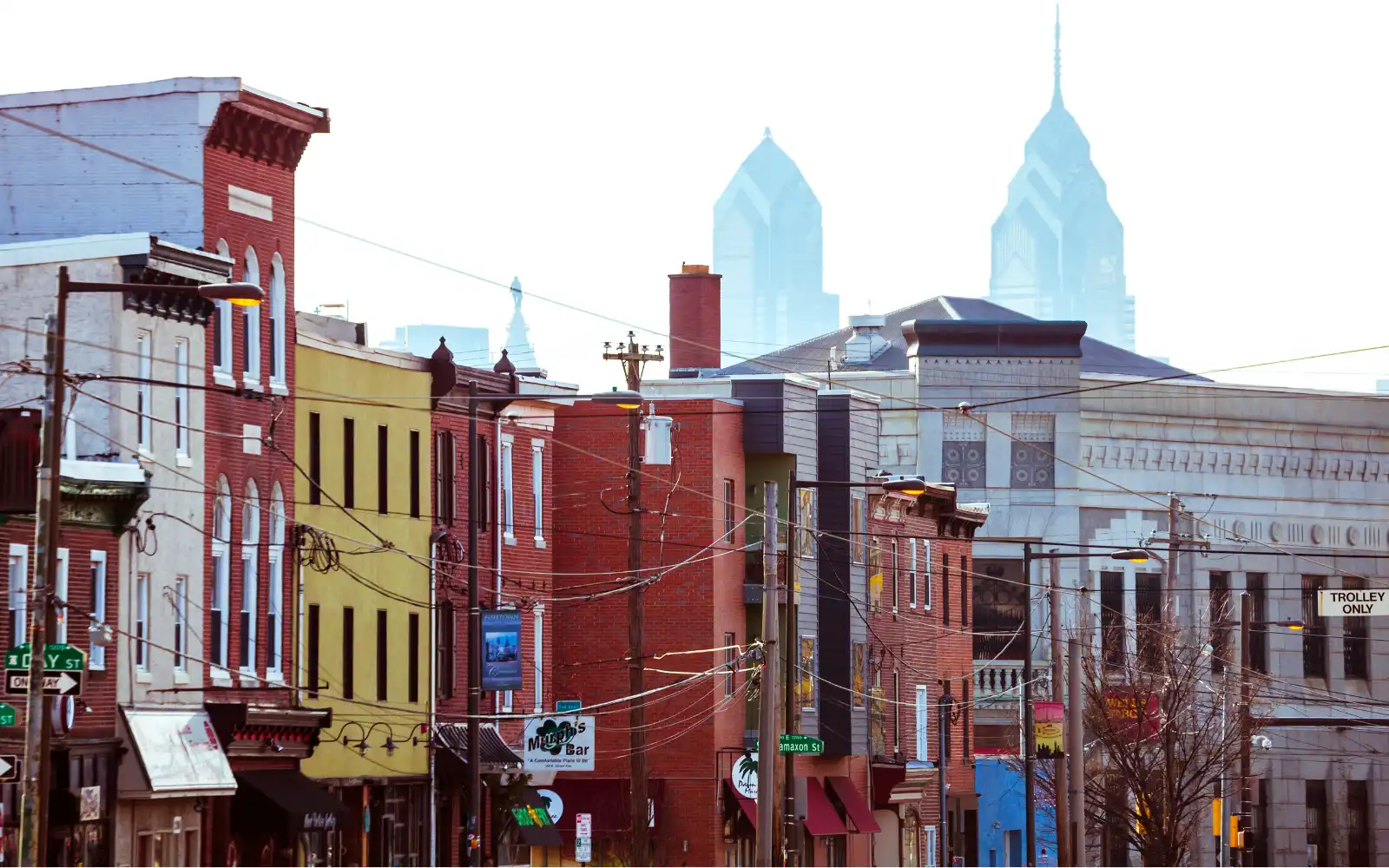
As a 20+ year resident and after helping hundreds of buyers find homes throughout Philadelphia, I’m constantly asked: “What’s so special about Fishtown?” It’s a fair question, especially given the neighborhood’s meteoric rise from under-the-radar enclave to one of the city’s hottest real estate markets. The answer isn’t just one thing—it’s a perfect storm of factors that create a lifestyle you simply can’t find anywhere else in Philadelphia.
The Authenticity Factor: Real Neighborhood Character
Let’s start with what sets Fishtown apart from other trendy Philadelphia neighborhoods: authenticity. Unlike areas that feel manufactured or overly polished, Fishtown has evolved organically. When I walk clients down Frankford Avenue, they immediately sense the difference—this isn’t a neighborhood trying to be something it’s not.
The industrial bones of former factories and warehouses remain visible, now reimagined as loft apartments, breweries, and creative spaces. Fish-shaped trash cans nod to the area’s maritime roots. Long-time residents chat with newcomers at corner coffee shops. This genuine character is increasingly rare in urban real estate, and buyers recognize its value.
As a Philadelphia real estate expert, I’ve watched countless neighborhoods transform, but few have maintained such a strong sense of identity throughout the process. That authenticity translates directly into property value and quality of life.
Walkability That Actually Works
When real estate agents talk about “walkability,” they often mean you can walk places. In Fishtown, you want to walk everywhere. The neighborhood’s compact geography and concentration of destinations make car ownership optional rather than essential.
Consider a typical Saturday in Fishtown: grab morning coffee at Ox Coffee, browse the Fishtown Flea Market, lunch at Middle Child Clubhouse, afternoon drinks at Fishtown Social, dinner at Helm, and nightcaps at ETA—all without moving your car once.
This isn’t just convenient; it’s financially significant. Many Fishtown homeowners eliminate their second car or go car-free entirely, saving thousands annually while reducing their carbon footprint. When I’m calculating affordability for buyers, this lifestyle dividend often makes a meaningful difference.
The Creative Economy Advantage
Fishtown isn’t just benefiting from Philadelphia’s growth—it’s driving it. The neighborhood has become a hub for creative industries, independent businesses, and entrepreneurial ventures. This matters for real estate because economic diversity creates stability.
Unlike neighborhoods dependent on a single institution or industry, Fishtown’s economy runs on dozens of independent restaurants, galleries, studios, breweries, and boutiques. This web of small businesses creates employment, attracts talent, and generates the kind of street-level vitality that sustains property values through economic cycles.
The Crane Arts Building alone houses 130+ artist studios. Philadelphia Brewing Company anchors the neighborhood’s craft beer scene. Design studios, marketing agencies, and tech startups occupy converted industrial spaces. This economic foundation attracts exactly the kind of residents who invest in their homes and communities.
The Food Scene as Economic Infrastructure
Yes, I mentioned dining in my Fishtown restaurant guide, but it bears repeating from an investment perspective: the concentration of acclaimed restaurants in Fishtown isn’t just about having nice places to eat—it’s economic infrastructure that supports property values.
When Kalaya earns James Beard recognition, it puts Fishtown on the national map. When Wm. Mulherin’s Sons gets written up in the New York Times, it drives tourism and regional interest. When Pizzeria Beddia is named America’s best pizza, it validates the neighborhood’s cultural capital.
These aren’t just restaurants—they’re anchors that attract complementary businesses, talented chefs, and food-focused residents. The ripple effects touch every property in the neighborhood.
Multi-Generational Appeal
One factor that makes Fishtown particularly stable as a real estate market: it appeals to multiple generations and life stages simultaneously. As someone who specializes in Philadelphia neighborhoods, I can tell you this is rare.
Young Professionals are drawn to the nightlife, walkability, and creative scene. Johnny Brenda’s and The Fillmore provide entertainment without leaving the neighborhood.
Families appreciate the improving schools, parks like Penn Treaty, and family-friendly establishments. The sense of community and neighborly interaction makes raising kids feel manageable.
Empty Nesters love downsizing into modern construction or renovated spaces while maintaining access to culture, dining, and urban amenities without Center City crowds.
This demographic diversity creates real estate resilience. Unlike neighborhoods that boom and bust with single demographics, Fishtown maintains demand across life stages.
The Commute Equation
Location matters, and Fishtown’s positioning is nearly perfect for Philadelphia residents. The SEPTA Market-Frankford Line’s Girard Station provides 20-minute subway access to Center City—crucial for buyers who work downtown but want neighborhood living.
For those commuting to University City, Northern New Jersey, or the King of Prussia corridor, Fishtown’s access to I-95 and I-676 makes these trips manageable. This transportation flexibility expands the pool of potential buyers and supports long-term value appreciation.
When comparing Fishtown to alternatives like Northern Liberties, the combination of subway access and highway proximity gives Fishtown an edge for many buyers.
The Development Sweet Spot
Fishtown occupies a unique position in its development cycle. Unlike neighborhoods still waiting for transformation or those already fully developed, Fishtown is in that “Goldilocks zone” where substantial infrastructure exists, but room for growth remains.
New construction continues along the waterfront and underutilized corridors, providing modern housing options. Older rowhomes in the neighborhood’s residential streets offer renovation opportunities. Converted industrial buildings provide unique loft living. This variety means buyers at different price points and with different preferences can all find something that works.
As a Fishtown real estate specialist, I regularly work with buyers ranging from first-time purchasers of fixer-uppers to luxury buyers seeking new construction—all in the same neighborhood. That breadth is unusual and valuable.
Cultural Capital and Coolness Factor
Let’s acknowledge the intangible: Fishtown is cool, and coolness has economic value in urban real estate. The neighborhood regularly appears in “best of” lists, travel guides feature it prominently, and it has become a cultural touchstone for what’s happening in Philadelphia.
This cultural capital attracts creative talent, drives tourism, and generates media attention that functions as free marketing for the entire neighborhood. Properties in Fishtown benefit from this halo effect—the neighborhood’s reputation precedes it in ways that tangibly affect buyer interest and bidding behavior.
The Numbers Tell the Story
From a pure market perspective, Fishtown’s trajectory has been remarkable. Property values have appreciated substantially over the past decade, but the neighborhood hasn’t reached the ceiling that makes Center City feel out of reach for many buyers. The Fishtown real estate market still offers entry points at various price levels while showing continued strength at the upper end.
Inventory moves quickly—quality properties often receive multiple offers within days. Days on market remain low. Price per square foot continues trending upward. These metrics indicate sustained demand and market health, not speculative froth.
The Comparison Context
When buyers ask me to compare Fishtown to other Philadelphia neighborhoods, here’s what I tell them:
Compared to East Passyunk, Fishtown offers better transit access and a larger commercial corridor, though East Passyunk has its own dining scene appeal.
Compared to Northern Liberties, Fishtown feels more established and authentic, with deeper community roots and more diverse housing stock.
Compared to Graduate Hospital or Fairmount, Fishtown delivers more edge, creativity, and nightlife while maintaining strong fundamentals.
Each neighborhood has strengths, but Fishtown’s combination of factors creates something special.
The Community Investment Factor
Perhaps most importantly, Fishtown residents invest in their community in ways that compound over time. People open businesses here. Artists create here. Families put down roots here. This investment—both financial and emotional—creates positive feedback loops that strengthen the neighborhood continuously.
Local organizations like the Fishtown Neighbors Association and business corridors actively work to shape the neighborhood’s future. Residents show up to community meetings, support local businesses, and participate in neighborhood events. This engaged citizenship is rare and valuable.
Why This Matters for Your Decision
If you’re considering buying a home in Fishtown, understanding these factors helps you see beyond the surface appeal. You’re not just buying into a trendy neighborhood—you’re investing in a place with genuine fundamentals: economic diversity, cultural vitality, demographic breadth, and community investment.
As someone who’s guided countless buyers through this market, I can tell you that Fishtown consistently delivers what buyers say they want: authentic urban living, walkable amenities, strong community, and solid investment fundamentals.
Ready to Explore Fishtown?
Whether you’re a first-time buyer drawn to the neighborhood’s energy, a family looking for community, or an investor recognizing the fundamentals, Fishtown deserves serious consideration. My knowledge of the neighborhood’s micro-markets, emerging blocks, and property values can help you make an informed decision.
Let’s start the conversation about finding your perfect Fishtown home. I’d love to show you why this neighborhood has become Philadelphia’s most compelling place to live.
Marc Silver brings deep Fishtown expertise to every client relationship. As a Silvertone Homes real estate professional specializing in Philadelphia’s most dynamic neighborhoods, Marc combines market knowledge with genuine passion for connecting buyers with their ideal communities. Connect with Marc to begin your Fishtown home search.